How Do People Shape Your Workload?
As we begin August, I’ll be sharing a topic I get asked about the most – “What can we do with difficult or disengaged people?”
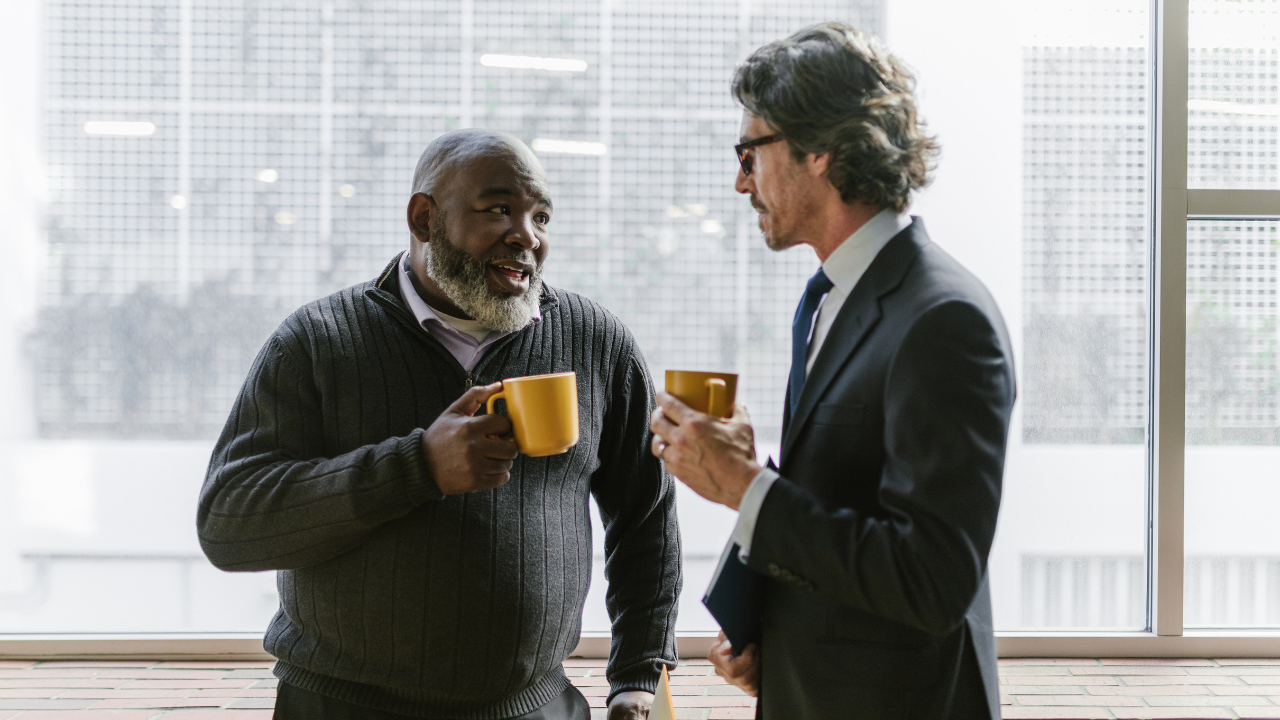
When educators tell me they're exhausted, they rarely start by talking about lesson planning or marking. Instead, they tell me stories about people;
-
The parent meeting that stayed with them long after the school day ended.
-
The colleague who always seems to find the negative.
-
The leader who made them feel valued with one simple conversation.
-
The teammate who quietly stepped in to help when things became overwhelming.
-
The staff meeting that left everyone energised. Or the one that left everyone walking out feeling deflated.
It reminds me that we don't simply experience our work through the tasks we complete. We experience work through the people around us.
That's why I've been thinking differently about wellbeing.
For years, we've focused on helping educators manage stress, practise self-care and build resilience. Those things still matter, but they're only part of the picture.
Because every day we are also navigating personalities, relationships, expectations, emotions and conversations. We are constantly interpreting what people say, how they say it and what it might mean. That takes energy – relational energy.
The human side of work is often the invisible part of our workload, and yet it's also the part where we have enormous opportunity to make a difference.
Whether you're leading a school, coordinating a team or teaching in your own classroom, every interaction shapes someone's experience of work.
- Sometimes that's through a difficult conversation.
- Sometimes it's by listening before offering advice.
- Sometimes it's choosing curiosity instead of assumption.
- Sometimes it's simply asking, "How are you going?" and genuinely waiting for the answer.
These moments might seem small, but they accumulate.
Over time, they influence how connected people feel, how safe they are to contribute and whether school feels like a place where they can do their best work.
This is where the next conversation about educator wellbeing needs to go – reflecting on how we BE with each other.
Not away from self-care, but beyond it. This is a shift towards building the human capabilities that help us work well with ourselves and with one another.
This is where wellbeing intelligence builds the WE in my me-we-us model of professional wellbeing.
Because sustainable staff wellbeing systems aren’t created by wellbeing initiatives alone, they're created by people, where every one of us contributes to that, regardless of the title on our door.
One Small Shift
As you move through this week, notice the interactions that leave you feeling more energised.
Then ask yourself:
What was it about that conversation that made the difference?
Was it feeling heard?
Feeling respected?
Feeling trusted?
Or simply feeling like you mattered?
Those moments are rarely accidental. They're the building blocks of sustainable workplace systems.
Over the next few weeks, I’ll be sharing more about why and how we can build our human capabilities both individually and collectively.
In fact, this is what we do for individuals in The Reignite Room, and for school leadership teams in the Sustainable Staff Wellbeing System program.