
The Hidden Wellbeing Opportunity Most Schools Miss
One of the reasons I created the Sustainable Staff Wellbeing System was because so many educators told me the same thing.
“We understand wellbeing matters… but we don’t know how to make it sustainable in real schools.”
And with so many competing demands, that makes complete sense.
Schools are busy, complex places. Staff are juggling increasing workloads, emotional labour, competing priorities, and constant change.
That’s why this system was designed to be practical.
Teacher Wellbeing 2.0 is not about adding another initiative onto an already overflowing plate.
It is about helping schools embed small, meaningful changes that improve how people experience work every day.
The Sustainable Staff Wellbeing System supports schools to:
-
Build shared language around wellbeing at work
-
Identify workplace demands and protective resources
-
Strengthen leadership practices that foster trust and connection
-
Review systems and practices to build psychological safety
-
Create healthier, more sustainable workplace cultures over time
Because real culture change rarely happens through giant leaps.
It happens through small, intentional shifts repeated consistently.
A healthier meeting structure. A psychologically safe conversation. A leadership decision that priorities people alongside performance.
And given how many meetings we attend in schools, meetings can be a powerful place to start.
Meetings are where we communicate vision, explain the "why," share important information, and set the tone for what is expected at work. They are also one of the clearest reflections of workplace culture. This is where leaders play a critical role, especially when time feels scarce.
The reality is that the last thing people want is their time wasted on content that feels disconnected from their work or wellbeing.
As time pressures continue to grow, many schools have unintentionally begun squeezing and weaponising time as a wellbeing strategy. The result is often compliance-heavy meetings focused solely on delivering information as efficiently as possible.
While the intention may be to save time, the consequence is often the opposite.
There is little opportunity for shared dialogue, for voices to be heard, or for people to contribute their ideas and experiences. In many cases, we have removed the human experience from the room.
Yet meetings are one of the few times staff come together collectively. They can either drain energy or create connection, clarity, and a sense of belonging.
Just as we navigate a crowded curriculum, we also need to think creatively about how we deliver key messages. After all, communication is part of our craft.
When meetings are designed with wellbeing in mind, they become more than an agenda. They become an opportunity to build trust, strengthen relationships, and support the psychological needs that help people thrive at work.
One Small Shift
Think about the last meeting you attended.
-
Did people walk away feeling energised or overwhelmed?
-
Were there opportunities for choice, relatedness, and knowledge development?
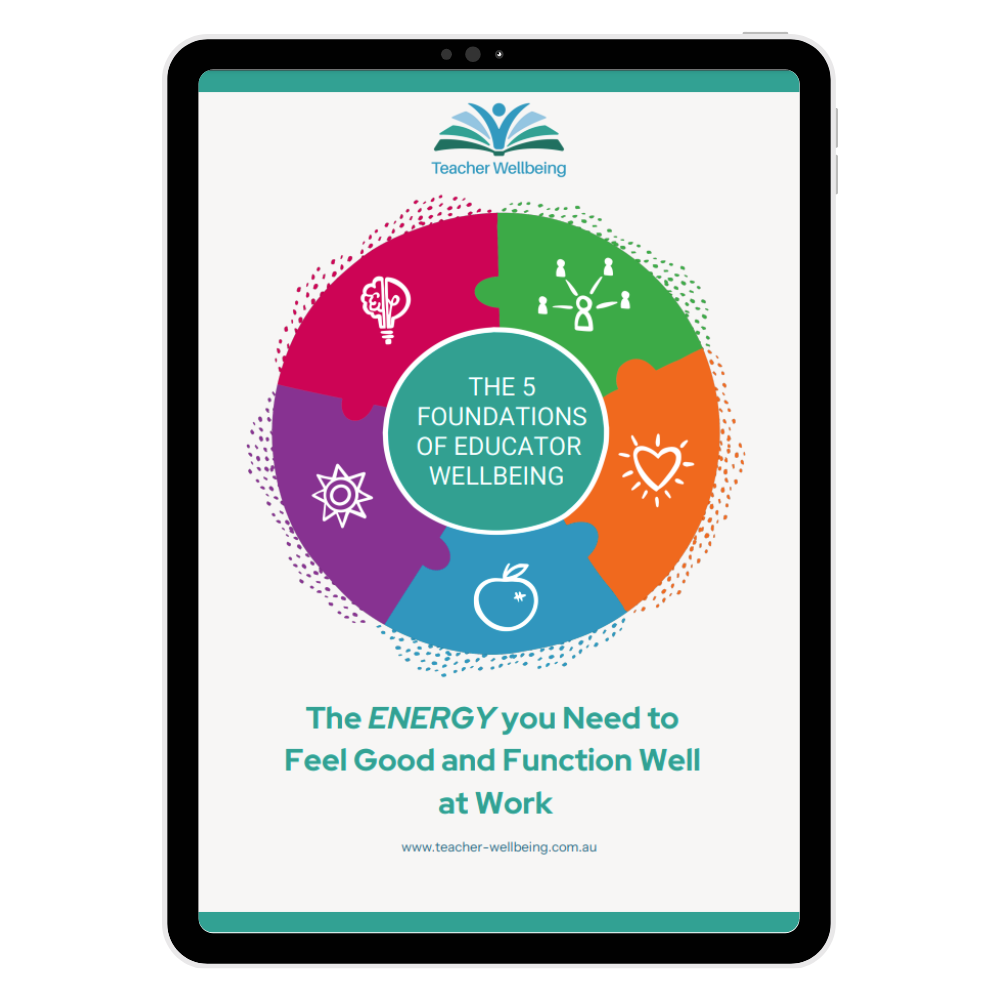
These are three of the foundations of Self-Determination Theory and powerful drivers of motivation, engagement, and wellbeing at work.
Because small shifts really do create big impact.