
The Science Behind the Sustainable Staff Wellbeing System
In the last blog post I introduced you to the Sustainable Staff Wellbeing System and shared why I felt compelled to bring more than a decade of this work together into one clear framework for schools.
Today, I want to unpack the science behind it.
One of the biggest shifts in Teacher Wellbeing 2.0 is moving away from the idea that wellbeing is simply about helping teachers become more resilient.
Because while individual strategies absolutely matter, research consistently shows that workplace wellbeing is deeply influenced by organisational conditions.
Things like workload, leadership, psychological safety, autonomy, trust, communication, relationships, and workplace culture all shape whether educators flourish or burn out.
That’s why the Sustainable Staff Wellbeing System integrates evidence from organisational psychology, positive psychology, and ecological wellbeing frameworks.
It helps schools explore questions like:
-
What workplace demands are draining staff energy?
-
What resources and protective factors help educators thrive?
-
How do leaders create cultures of trust, connection, and psychological safety?
-
What does sustainable wellbeing look like beyond token wellbeing events?
This is the heart of Teacher Wellbeing 2.0.
Not fluffy slogans. Not surface-level fixes. But practical, evidence-informed approaches that support healthier systems and healthier people.
A key difference in today's wellbeing landscape is the growing focus on psychological health and safety.
In 2022, Safe Work Australia released the Model Code of Practice: Managing Psychosocial Hazards at Work, reflecting a significant shift in how workplace wellbeing is understood.
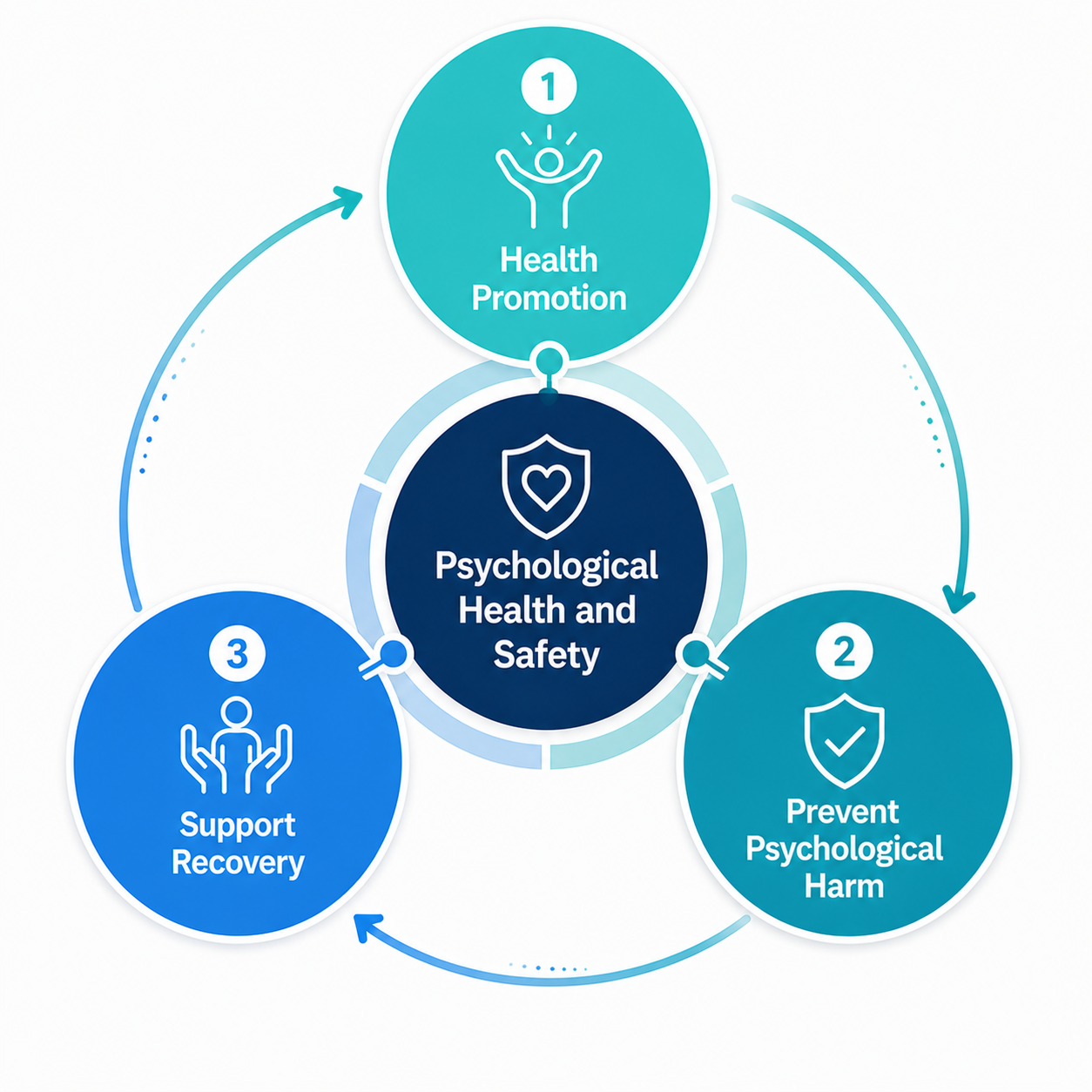
The message is clear: organisations have a responsibility not only to protect people's physical safety, but also to identify and manage workplace factors that may impact psychological health.
For schools, this means wellbeing can no longer be viewed solely as an individual responsibility. Factors such as workload, role clarity, support, communication, relationships, and workplace culture all influence how educators think, feel, and function at work.
The good news? Many schools are already doing pieces of this work.
The Sustainable Staff Wellbeing System brings those pieces together into a practical, evidence-informed framework that helps schools move beyond one-off wellbeing initiatives and towards a more strategic, sustainable approach to supporting staff and strengthening workplace culture.
One Small Shift
Psychosocial hazards are not things that can be addressed in a one-off initiative; that’s why they require a strategic approach. To get you started, however, one thing to consider is your role description.
Do you clearly know what your role is and what it is not? Not the generic version but the one for your specific school in your context.
Sometimes we go above our role responsibilities because we are unclear.
You’re not alone in this.