What We Lost in 2025 - and What We Need in 2026
Well, we are mid Jan already, how is this even possible? I hope whatever you are doing you are taking this time to rest and recharge your nervous system.
Because, 2025 was a big year in education across Australia.
Across systems, we saw significant WHS-driven changes designed to address workload and protect staff:
-
new limits on meetings
-
restrictions around after-hours emails
-
changes to how and when professional learning could occur
And let me be clear — these changes were needed.
Workload is a WHS issue.
Burnout is a WHS issue.
Psychological safety is a WHS issue.
Leaders were responding to real risk, real pressure, and real concern for their staff.
But as I travelled, worked with schools, and spoke with principals throughout 2025, a different concern kept surfacing.
Not resistance — but reflection.
Principals kept saying things like:
“We’ve reduced meetings… but morale is still low.”
“We’ve protected time… but people feel disconnected.”
“We’re doing what the policy says — but something still feels off.”
Can you relate to this too?
Here’s the tension I think we need to talk about.
When wellbeing becomes only about reducing hours, cutting meetings, and managing risk…
we can unintentionally lose the human side of wellbeing.
Because wellbeing at work isn’t just about what we remove.
It’s also about what we protect and preserve.
The research is clear on this.
Psychological wellbeing at work is built on three things:
-
feeling safe
-
feeling connected
-
feeling like you matter
When time for meaningful connection and collaboration disappears, even with good intentions, people can start to feel:
-
unseen
-
isolated
-
emotionally flat
And this is what many principals told me they were seeing in 2025: a quiet decline in staff morale and mental health — not because leaders didn’t care, but because the system became more transactional and less relational.
Meetings became rushed.
Conversations became compliance-focused.
Information was delivered — but the human factor was squeezed out.
Efficient? Yes.
People-first? Not always.
And this is where I think the pendulum may have swung too far.
Because true wellbeing isn’t just about fewer demands.
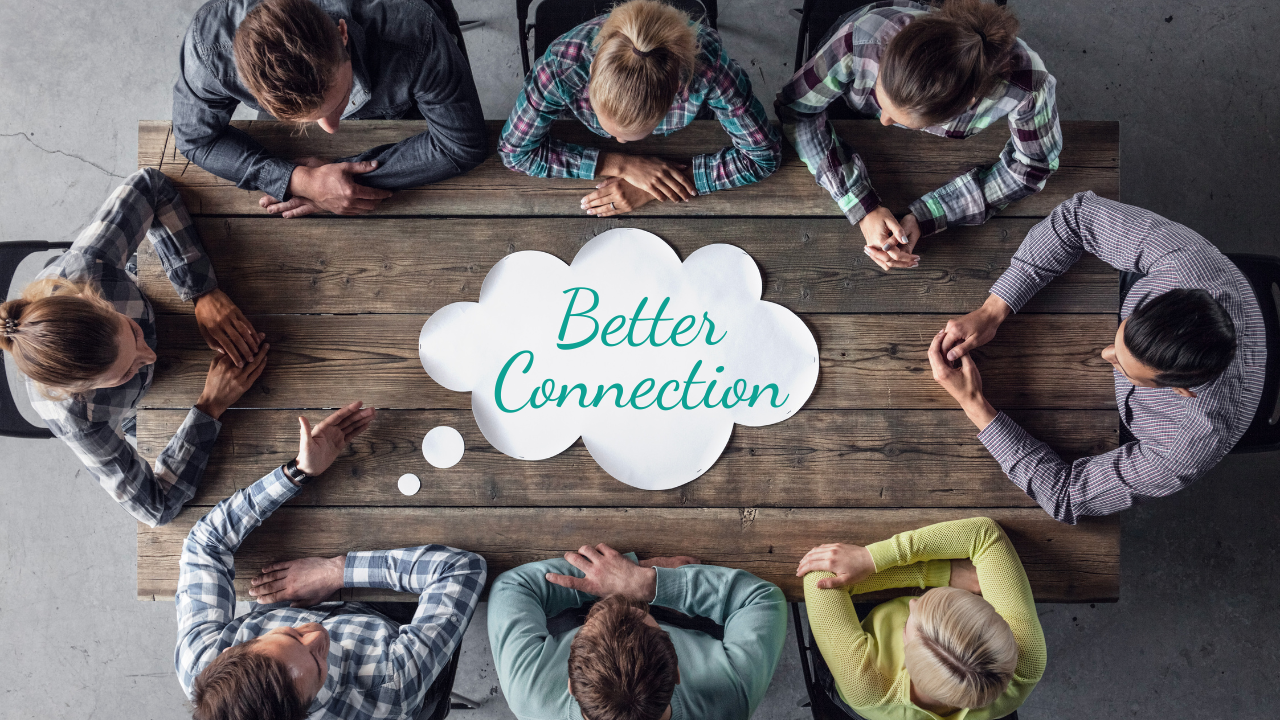
It’s about better connection.
So as we step into 2026, I believe the invitation is this:
Not to undo workload protections.
Not to add more meetings.
But to creatively re-prioritise human connection within the boundaries we now have.
Spaces where:
-
educators feel seen, not just managed
-
collaboration feels energising, not draining
-
and the incredible work educators do is acknowledged and celebrated
Because education has always been relational.
And when we lose connection, we lose the very thing that sustains passion, purpose, and pride in the work.
So here’s the question I’ll leave you with today:
Where will human connection and collaboration live for you in 2026? How will you plan to connect and collaborate at work this term?
And if you’re not sure yet — that’s okay.
It just means it’s time to be intentional about finding (or creating) those spaces.