What if We’ve Been Talking About Teacher Wellbeing All Wrong…
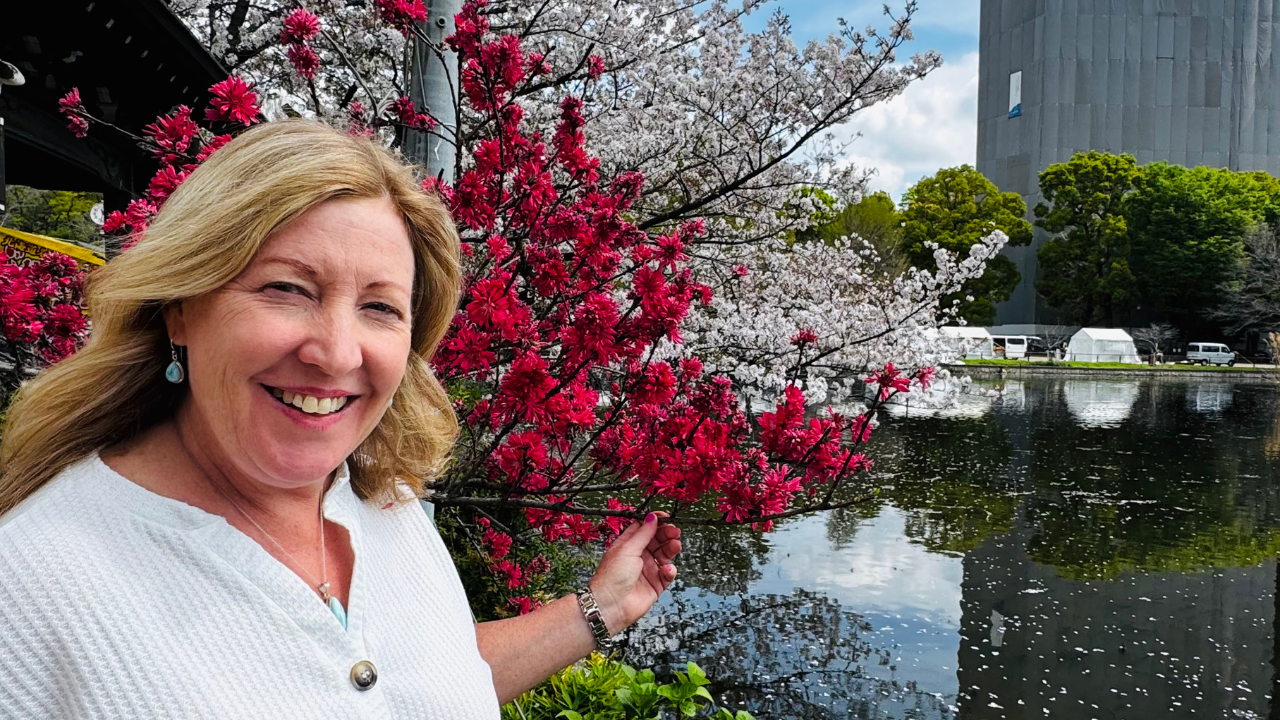
I’ve just come back from Japan and what an incredible place. A mix of busyness with calm. If you haven’t been you must go. If you have been, you understand.
There’s something about stepping out of the everyday pace, the pressure, the constant decision-making, that gives your brain room to settle again. To think clearly. To notice things, you can’t always see when you’re in the middle of it all.
With this clarity, it's time to share with you what I have been quietly working on for the past 2 years – Teacher Wellbeing 2.0.
You see, the thing is we’ve all been trying really hard to support wellbeing in schools for years now. So, if what we’ve been doing was enough… we wouldn’t still be this tired.
Because here’s what I know, not just from research, but from my own time in schools and the thousands of educators I’ve worked with over the years.
We’ve had the wellbeing weeks.
The morning teas.
The reminders to “look after ourselves.”
And please hear me when I say, those things come from a place of genuine care. They matter.
But they were never designed to carry the full weight of the important work we do. Self-care simply isn’t enough in a complicated system.
Over the past year, I’ve been deep in the research again, revisiting what we know from organisational psychology, motivation science, and workplace wellbeing. And what’s become increasingly clear is this:
The conversation around teacher wellbeing has shifted.
Not slightly. Significantly.
We’re moving from a model that focuses mostly on helping individuals cope to one that asks a much bigger, and more important question:
What is it about the way work is designed, led, and experienced that is shaping how teachers feel each day?
Because when the conditions of work are out of balance — when demands are high and support, clarity, and autonomy are low — no amount of individual effort can fully compensate for that.
That’s not a personal failing.
That’s a systems issue.
And that’s where this next phase of the work begins.
Over the coming weeks, I want to share more of what I’ve been working on, the shifts I’m seeing in schools, the science behind them, and most importantly, what this looks like in practice in real, busy, complex school environments.
I’m calling it… Teacher Wellbeing 2.0.
Not because everything we’ve done before was wrong, but because we now understand so much more about what actually makes a sustainable difference in workplaces – and schools are a workplace.
And I have to say, coming back from Japan with a clearer head and a bit of distance, I feel genuinely excited about where this is heading.
Not “add another thing to your plate” excited. But “this could actually make the work feel different” excited.
Because the goal here isn’t to do more wellbeing. It’s to think about it differently. So we can build schools where people don’t just get through the term… but feel it’s meaningful while they’re doing it.
As you head into your week, consider this:
What’s one ‘wellbeing strategy’ you’ve tried that didn’t actually change your day-to-day experience at work, and what is one thing that would?”
I’ll be back next week to unpack this a little more, and explore why it’s not just about coping better, but about how the work itself is designed.
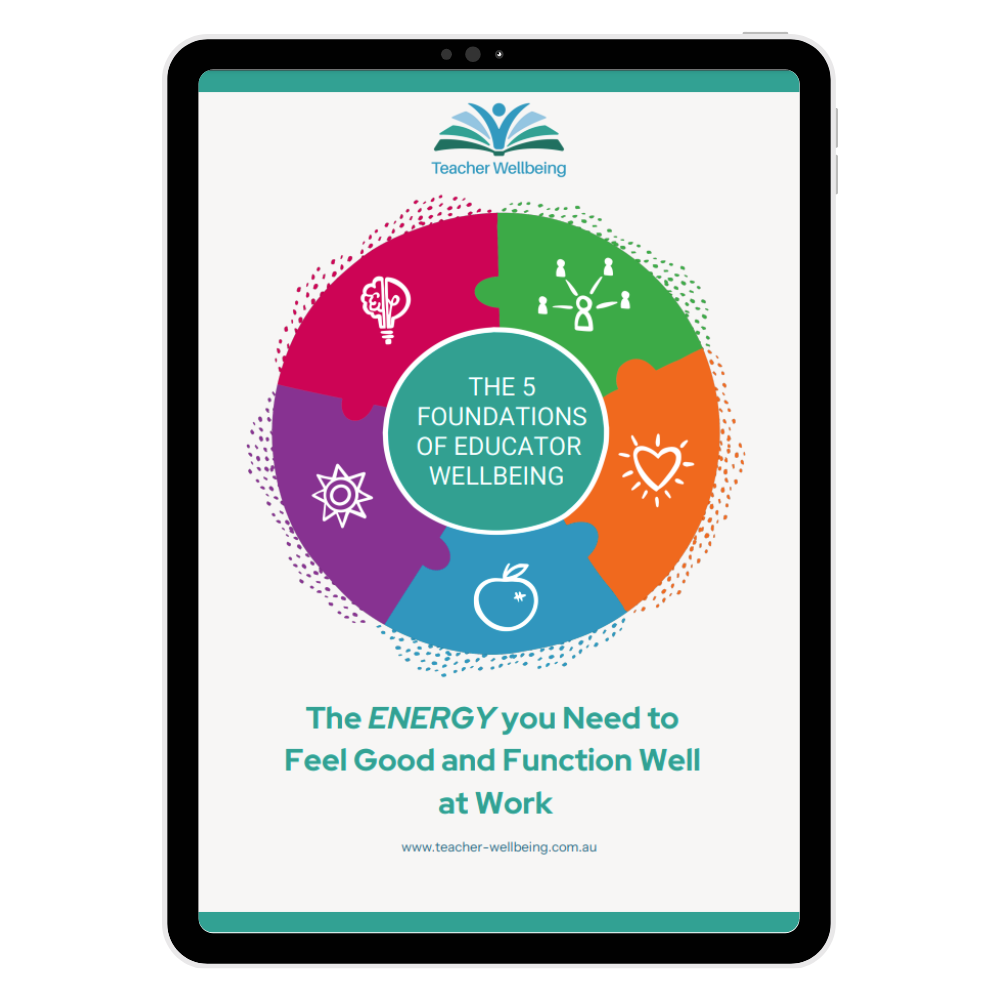
Until then, download our new brochure to find out more.